Grease Interceptor Pumping
Interceptor pumping is the high-volume removal step for large in-ground grease tanks. The truck's capacity has to match the tank, so the whole interceptor is emptied in one visit and nothing is left to keep loading the next cycle.
FOG inspection on the calendar? Book the pump-out before it.
Call (424) 573-8021Matching the truck to the tank
Interceptors are rated in hundreds or thousands of gallons. A 750-gallon tank may fit in a single load, while a large food-court interceptor can need a second truck or a return trip. Knowing the rated size and number of chambers ahead of time avoids a half-finished pump-out.
- Confirm rated size and chamber count
- Send a truck with enough capacity
- Plan parking and cover access
- Work around service hours
Prefer service after closing? Overnight crews are standard.
Call (424) 573-8021Pumping chamber by chamber
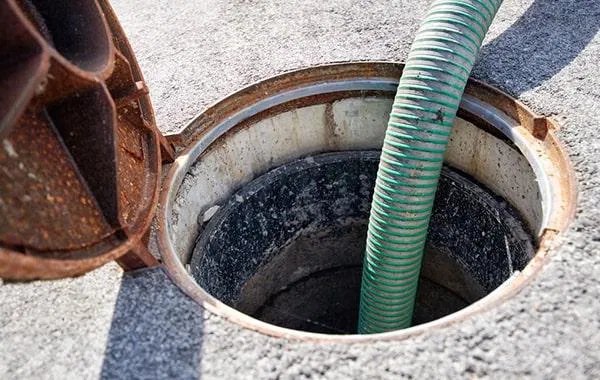
The suction hose goes down each manhole in turn. The crew draws off the floating grease first, then the water and finally the sludge on the floor, finishing one chamber before moving to the next so solids do not slide across the baffle.
Want a complete evacuation and a signed manifest? Give us a call.
Call (424) 573-8021Closing up and recording the volume
When the tank is empty, the crew checks the baffle wall and outlet, reseats and seals the covers, and writes the gallons removed on the manifest. Tracking that number visit to visit is useful: if it rises, the kitchen is sending more grease and the interval may need to come down.
Unsure how big your interceptor is? A technician can talk it through.
Call (424) 573-8021Related services
Pumping empties the tank, while cleaning and inspection protect it. Indoor traps follow a smaller version of the same steps.
Truck, crew and manifest, all arranged in one phone call.
Call (424) 573-8021Cities we serve
Access, permits and manifest handling are not the same in every city. Choose yours below.
Sinks draining slowly at the dish station? Call before it overflows.
Call (424) 573-8021