24/7 grease trap & interceptor service

Grease Trap Cleaning Torrance CA

Our grease trap cleaning Torrance CA service covers everything from izakaya under-sink units in Old Torrance to food court interceptors at Del Amo Fashion Center. We pump, scrape and inspect each device and leave a signed manifest for your files. Call when you need one-time grease trap cleaning or a steady schedule.

Call (424) 573-8021Dispatch answers day and night
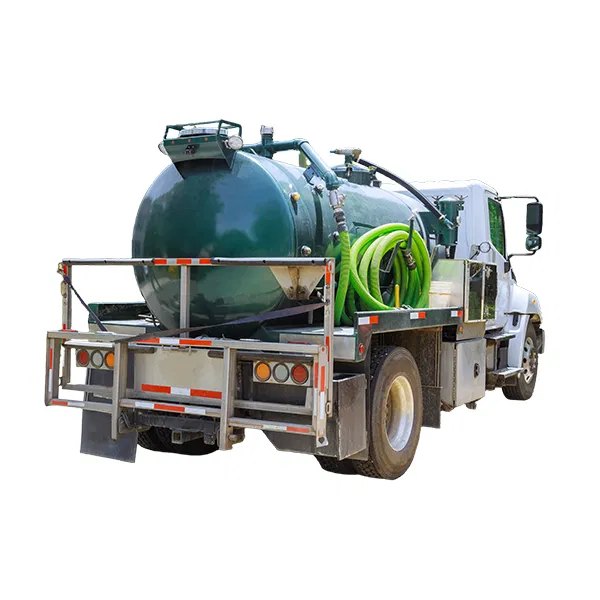
Grease Trap Cleaning Torrance CA vacuum pump truck with suction hose ready for a kitchen grease trap pump-out

Grease layer close to the outlet tee? A dispatcher can help right now.

Call (424) 573-8021

Grease Trap Cleaning Torrance CA and the local sewer rules behind it

The city owns most of the sewer pipe under its streets. The Public Works Department's Wastewater Program maintains roughly 287 miles of city-owned sewer lines and nine lift stations, and it operates under a Sewer System Management Plan last updated in February 2021. Grease is the main thing that plugs those lines, so keeping fats, oils and grease out of the system is part of how the city manages overflows.

Downstream, Torrance sits within District 5 of the Sanitation Districts of Los Angeles County, and its wastewater is treated at the Joint Water Pollution Control Plant in Carson. The Sanitation Districts' Wastewater Ordinance sets discharge limits, and businesses that exceed them or discharge industrial waste may need an industrial wastewater discharge permit. Restaurant health permits and routine kitchen inspections come from the Los Angeles County Department of Public Health, whose inspectors also look at grease handling.

Above both sits the State Water Board's statewide sanitary sewer systems general order, which requires sewer owners to include FOG source control in their management plans. In practice that means a properly sized grease control device, regular grease trap pumping, and pumping whenever grease and solids reach 25 percent of the device's liquid depth, the benchmark used across Southern California.

Keep every manifest from your liquid waste hauler, along with service dates, gallons removed and notes on baffle condition, in a binder or folder at the restaurant. Add a simple BMP log showing staff scrape plates into the trash, use sink screens and store used fryer oil in a covered container for recycling.

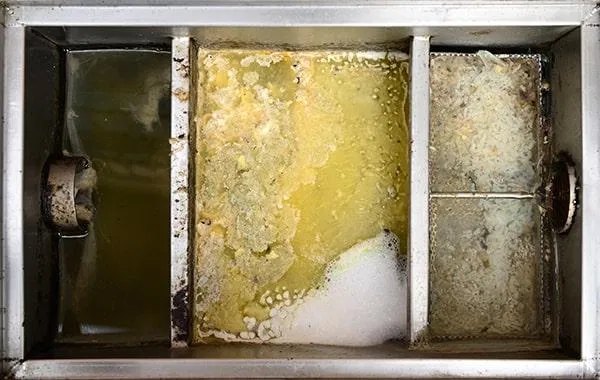
Stainless steel grease trap with baffles and compartments in a Torrance restaurant kitchen

Pump-out coming due? A single call puts you on the route.

Call (424) 573-8021

Torrance grease trap loads from ramen bars to food courts

The city has one of the largest Japanese communities in the country outside Hawaii, and it shows in the kitchens. Ramen shops simmer tonkotsu pork bone broth for twelve hours or more, releasing collagen and fat that emulsify and then congeal in the trap. Tempura, tonkatsu and karaage counters add heavy frying oil, and the food court inside Mitsuwa Marketplace on Western Avenue runs several stalls through shared plumbing.

Old Torrance, the downtown grid around El Prado and Sartori Avenue, mixes izakayas, bakeries, breweries and family restaurants in older buildings with small traps in tight back rooms. Those units fill quickly and often sit under sinks where staff cannot see the grease level, so a set schedule matters more than waiting for a slow drain.

Del Amo Fashion Center, one of the largest malls in the country, has a dining terrace and food court with many tenants on central interceptors, plus sit-down restaurants with their own devices. Shared systems need coordination between property management and tenants so a single fryer-heavy stall does not overload a line everyone depends on.

Along Hawthorne Boulevard, Sepulveda Boulevard and Pacific Coast Highway, strip plazas and centers such as Torrance Crossroads hold Korean barbecue, Hawaiian plate lunch spots, poke bars, pho shops, pizza and fast food. Each menu loads a device differently, which is why we match grease interceptor cleaning intervals to the actual cooking, not just square footage.
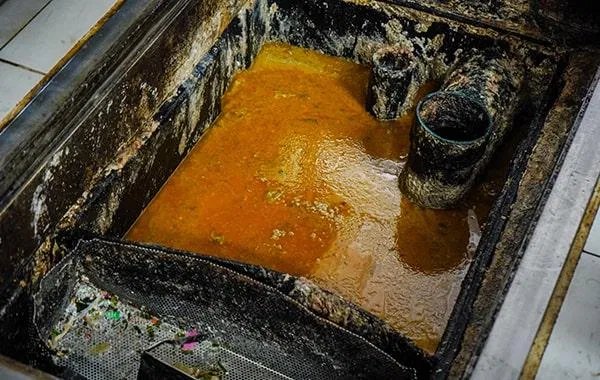
Open grease trap with orange grease and pipes at a Torrance restaurant

Floor sink backing up mid-service? Trucks roll day and night.

Call (424) 573-8021

Industrial sites, hospitals and Torrance grease trap timing

This is a more industrial city than many South Bay neighbors. The refinery and the manufacturing and aerospace parks around it run employee cafeterias and catering kitchens that cook for shift crews, and many have large gravity interceptors in truck yards with security gates. We schedule those visits around deliveries and shift changes and confirm site access in advance.

Torrance Memorial Medical Center and nearby medical office kitchens operate cafeterias every day of the year. Hospital food service cannot shut down for maintenance, so pumping happens overnight or in short windows, and device condition is checked closely because a backup in a patient care building causes outsized disruption.

Mild coastal weather keeps kitchens here busy year round, but water conservation has cut the flow that once carried grease through the line. Less water means fat settles faster in the device and in older laterals, so steady, shorter intervals usually work better than stretching to the limit.

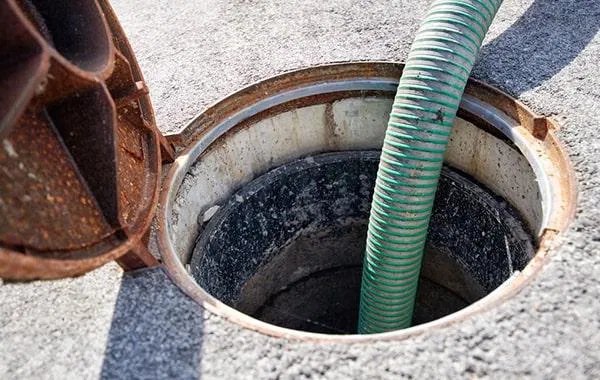
Manhole grease interceptor with green suction hose at a Torrance commercial property

FOG inspection on the calendar? Book the pump-out before it.

Call (424) 573-8021

What to expect from a Torrance grease trap service visit

Most Torrance grease trap cleaning visits happen before lunch prep or after closing. For mall and plaza locations we coordinate with property management on parking and loading dock access.

When we finish, you get a manifest and notes you can file for health inspectors, property managers or corporate auditors.

  • Measure grease cap and solids against the 25 percent rule
  • Pump the full contents and scrape walls, baffles and lids
  • Inspect tees, gaskets, risers and sample ports for damage
  • Note slow drains, odors or repeat backups for follow-up
  • Issue a signed manifest with gallons and receiving facility
  • Recommend the next service date for your menu and volume

Prefer service after closing? Overnight crews are standard.

Call (424) 573-8021

Grease Trap Pumping in Torrance, CA

Under-sink and floor traps are standard in Old Torrance izakayas, Western Avenue ramen shops and plaza cafes. We pump the contents, scrape baffles and lids, and check the flow-control fitting so the trap separates grease properly. Broth-heavy menus fill small units fast, and frequent pumping keeps them below the 25 percent line.

How grease trap pumping works →

Grease Interceptor Cleaning in Torrance, CA

In-ground interceptors at Del Amo Fashion Center restaurants, Torrance Memorial cafeterias and industrial lunchrooms build thick grease caps and dense solids. We break up and remove the mat, scrape walls and baffles, flush compartments, and look for corroded tees or cracked concrete, recording anything that needs repair on your service report.

How interceptor cleaning works →

Grease Interceptor Pumping in Torrance, CA

For shopping center and food court interceptors serving several tenants, our vacuum trucks remove the full volume and settled solids in one visit. Each pump-out comes with a manifest showing gallons removed and the receiving facility, giving property managers and tenants a clear maintenance record for inspectors.

How interceptor pumping works →

Want a complete evacuation and a signed manifest? Give us a call.

Call (424) 573-8021

Our Torrance grease trap service area

We serve all of Torrance, including Old Torrance, North Torrance, Walteria, Southwood, Hollywood Riviera and the industrial areas near the refinery and Torrance Airport. Del Amo Fashion Center, Western Avenue markets, hospital kitchens and Pacific Coast Highway plazas are all regular stops, with early or late visits available.

Unsure how big your interceptor is? A technician can talk it through.

Call (424) 573-8021

Grease Trap Cleaning Torrance CA: frequently asked questions

How does the Torrance Wastewater Program's Sewer System Management Plan affect my restaurant?

The city's management plan, updated in 2021 under the statewide sewer order, includes controlling fats, oils and grease that cause blockages in the 287 miles of city-owned sewer. For a restaurant that means keeping a working grease control device, pumping it on time, and having records ready if a blockage is traced to your lateral.

Where does the waste pumped from a Torrance grease trap end up?

It leaves your site in a vacuum truck operated by a licensed liquid waste hauler and goes to a permitted receiving facility that treats or processes grease waste. It is never dumped into a sewer manhole or storm drain. Your manifest lists the receiving facility, so you can show inspectors the full chain from your kitchen to final disposal.

Can an Old Torrance restaurant keep its garbage disposal if it has a grease trap?

Food grinders send ground solids straight into the trap, where they settle and fill the device much faster, and many California plumbing and FOG rules discourage or prohibit routing them through a grease control device. In older downtown buildings with small traps, removing the disposal and scraping into the trash or compost is usually the better choice.

How long should a Torrance business keep grease trap manifests and service logs?

Keep them for at least three years, which is the retention period many California FOG programs use, unless an inspector or your lease asks for longer. Store them where staff can find them during a county health inspection, since manifests are the main proof of regular grease trap cleaning. Some multi-unit operators also scan copies for corporate files, which helps when ownership or management changes.

When does a Torrance business need an industrial wastewater discharge permit from the Sanitation Districts?

The Sanitation Districts of Los Angeles County require permits for businesses whose discharges are industrial or exceed limits in their Wastewater Ordinance. Most small restaurants rely on grease control and health permits, but central kitchens, food processors and some industrial cafeterias in Torrance may need one. The Districts decide based on the type and volume of discharge.

Why do tonkotsu ramen shops on Western Avenue need more frequent pump-outs?

Long-boiled pork bone broth releases large amounts of fat and collagen that emulsify in hot water and then set into a firm layer once they cool in the trap. Combined with noodle starch and high bowl counts, that loads small units quickly. Many ramen kitchens need service every few weeks, and we confirm timing by measuring each visit.

Who is responsible for the shared interceptor in a Del Amo Fashion Center food court?

Usually the property owner or management company maintains shared interceptors and recovers costs from tenants, while each tenant follows kitchen BMPs. Lease terms vary, so check yours. We can work with mall management on a single schedule and provide manifests that show the shared device stays under the 25 percent limit.

Can you pump interceptors at refinery-area and industrial park cafeterias in Torrance?

Yes. Cafeterias and catering kitchens serving the refinery and nearby manufacturing plants often have large gravity interceptors behind security gates. We coordinate badging, escort needs and truck routes with your facility contact in advance and schedule service between shift meals so production and food service keep running.

How does Torrance Memorial-area hospital food service handle grease maintenance without closing?

Hospital kitchens near Torrance Memorial Medical Center run every day, so we work overnight or in narrow windows agreed with facilities staff. Crews pump and scrape quickly, check the device and line for problems, and leave the area clean, keeping service short and predictable in a building where a backup would be especially disruptive.

Does the Mitsuwa Marketplace food court style of shared plumbing create special grease problems?

Yes. When several stalls share one device, a fryer-heavy tempura counter and a broth-heavy ramen counter combine their loads, and one tenant's habits affect everyone. Clear BMPs for each stall, sink screens and a regular pumping schedule tied to the busiest tenants keep shared Western Avenue systems flowing.

Why do some Pacific Coast Highway plazas in Torrance get repeat backups after service?

Older plazas along PCH and Hawthorne Boulevard often have long private laterals with sags or root intrusion where grease builds up past the trap. Low-flow fixtures also reduce the water that carries fat away. If backups continue after pumping, we note it on the report so the line can be inspected and cleared.

Do Torrance izakayas with small under-sink traps follow the same 25 percent benchmark?

Yes. Size does not change the benchmark: once grease and solids reach a quarter of the liquid depth, the device should be pumped. Small hydromechanical units in izakayas and cafes can reach that point in a few weeks, especially with fried skewers and late-night volume, so frequent short visits are typical.

Truck, crew and manifest, all arranged in one phone call.

Call (424) 573-8021

Grease trap service in cities near Torrance

We also run routes through the surrounding South Bay and harbor-area cities. Select a city below for its local grease rules and service details.

Sinks draining slowly at the dish station? Call before it overflows.

Call (424) 573-8021
Call now