24/7 grease trap & interceptor service

Grease Trap Cleaning Santa Monica CA

We handle grease trap cleaning Santa Monica CA restaurants, hotels and campus kitchens rely on, from under-sink units on the Third Street Promenade to buried interceptors near the Pier. Our crews pump, scrape and document every device so your records hold up under the city's industrial wastewater rules. Call (424) 573-8021 to set a schedule that fits your service hours.

Call (424) 573-8021Dispatch answers day and night
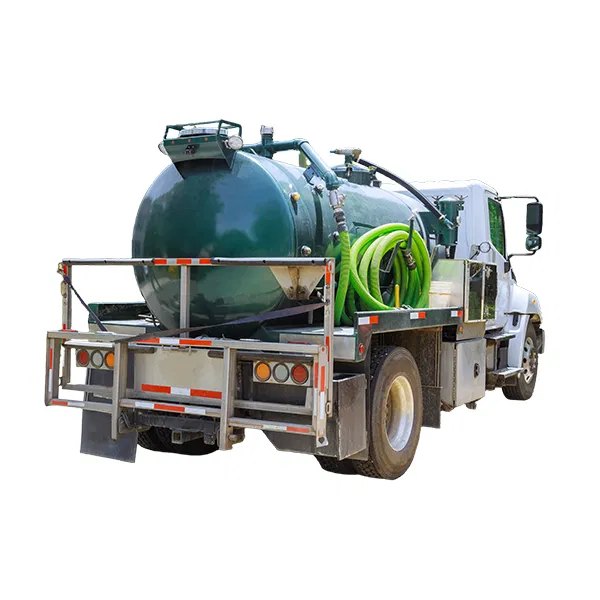
Grease Trap Cleaning Santa Monica CA vacuum pump truck with suction hose ready for a kitchen grease trap pump-out

Grease layer close to the outlet tee? A dispatcher can help right now.

Call (424) 573-8021

Grease Trap Cleaning Santa Monica CA under Chapter 5.20 wastewater rules

Santa Monica runs its own sewer system and its own discharge rules. Commercial kitchens fall under Chapter 5.20 of the Santa Monica Municipal Code, Industrial Wastewater Control, which is administered by the Public Works Director. The chapter bans floatable fats, oils and grease (FOG) from the sewer, sets a 600 mg/l limit for dispersed oil and grease, and requires food service establishments to run their kitchens in a way that avoids grease blockages in city lines.

Section 5.20.110 is the part kitchen managers should know. It says waste cooking oil goes into containers from a rendering company, not down a drain, and it prohibits food waste disposal units that discharge to the sewer. It also requires a floor mat wash area that drains to the sanitary sewer rather than a storm drain, and it lets the city require best management practices (BMPs) when a site sends too much grease downstream.

Under the code, a gravity grease interceptor (GGI) is a device of at least 300 gallons with two or more compartments, baffles and at least thirty minutes of retention. A hydromechanical grease interceptor (HGI) can be used only with the Director's approval, usually through a variance where a GGI is not feasible. Sites that discharge industrial wastewater need an industrial wastewater permit, and monitoring records must be kept for three years. We recommend keeping every pumping manifest at least that long. The industry standard is to pump before solids and floating grease fill about 25 percent of the device, and our grease interceptor pumping schedules are built around that mark.

Santa Monica's wastewater flows to the City of Los Angeles Hyperion plant under a contract, and the State Water Board's statewide sanitary sewer systems order expects local agencies to control FOG as part of their sewer management plans.
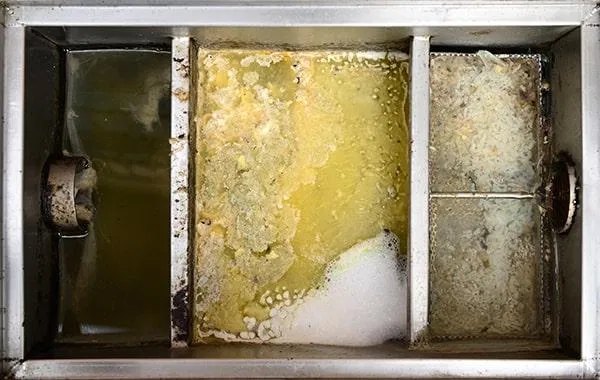
Stainless steel grease trap with baffles and compartments in a Santa Monica restaurant kitchen

Pump-out coming due? A single call puts you on the route.

Call (424) 573-8021

Santa Monica grease trap service by neighborhood and kitchen type

Downtown is the busiest stretch we serve. The Third Street Promenade and Santa Monica Place mix burger counters, poke bars, pizza ovens and food hall stalls that share or stack small HGIs under tight prep lines. Fry oil from burger and chicken concepts and emulsified dressings from salad chains load those units fast.

Along the Pier and Ocean Avenue, seafood fryers, churro and funnel cake stands, and hotel banquet kitchens produce heavy, steady grease all summer. Main Street in Ocean Park leans toward brunch spots, wine bars, sushi and Mexican kitchens, where bacon fat, avocado oil and rice starch build a dense mat on the cap. Montana Avenue brings bakeries, cafes and upscale bistros, where butter, cream and pastry fats settle out cold and harden against the baffles.

Farther inland, the Bergamot area and Olympic Boulevard office corridor rely on corporate cafeterias and studio commissaries that cook in volume at lunch and sit idle at night. Pico Boulevard and Wilshire Boulevard add taquerias, Thai and ramen shops whose broth and pork fat run hot through the line. For smaller units under sinks, our grease trap cleaning service removes the solids and scrapes the walls rather than just skimming the top.

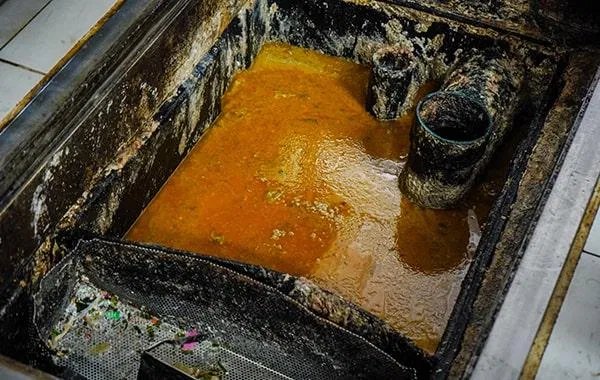
Open grease trap with orange grease layer and pipes at a Santa Monica cafe

Floor sink backing up mid-service? Trucks roll day and night.

Call (424) 573-8021

Coastal conditions that shape Santa Monica grease trap maintenance

Santa Monica is a beach city that watches anything reaching the bay. A grease blockage that pushes sewage into a gutter near Ocean Avenue can end up in a storm drain that empties at the beach. That is why we treat outdoor interceptors near the Pier and along Main Street with extra care, sealing lids properly and checking that nothing is weeping around the risers.

Water conservation is a fact of life here, and low-flow fixtures mean less water moving grease through a trap. Grease sits longer, cools faster and forms thicker caps, so some kitchens fill faster than their old schedule assumes. Summer crowds and events at the Pier, plus weekend farmers market traffic downtown, add volume that a spring schedule never accounted for.

Access is the other challenge. Many downtown interceptors sit under alley pavement behind the Promenade or below parking structures with low clearance. Hospitals such as Providence Saint John's Health Center and UCLA Medical Center, Santa Monica, plus the Santa Monica College cafeterias, need work timed around deliveries and patient traffic.

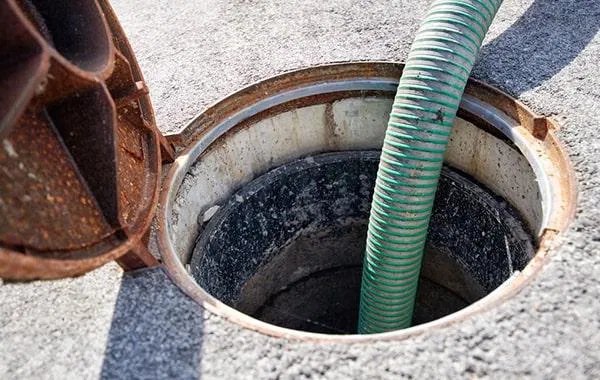
Manhole grease interceptor with green suction hose in a Santa Monica alley

FOG inspection on the calendar? Book the pump-out before it.

Call (424) 573-8021

What a Santa Monica grease trap visit includes

Most of our downtown and beachfront customers prefer early morning or late night visits so the work never collides with service. We arrive with the right hose length for the alley or garage, pump the device to empty, and leave the area clean.

Each visit ends with paperwork you can hand to a city inspector: the liquid waste hauler manifest, the gallons removed and notes on the condition of baffles, tees and lids.

  • Take a depth reading of the grease mat and sludge first
  • Pump the full volume and scrape walls and baffles
  • Inspect inlet and outlet tees, baffles and lid gaskets
  • Flag drainage problems or needed repairs
  • Leave a signed manifest and service log entry
  • Suggest a pumping interval based on what we found

Prefer service after closing? Overnight crews are standard.

Call (424) 573-8021

Grease Trap Pumping in Santa Monica, CA

Our crews pump under-sink and in-floor grease traps for Promenade counters, Main Street cafes and Montana Avenue bakeries. We remove all liquid, grease and settled solids, scrape the compartments and reset the unit. Small HGIs in busy Santa Monica kitchens often need short intervals, and we set a calendar around your actual fill rate instead of a guess.

How grease trap pumping works →

Grease Interceptor Cleaning in Santa Monica, CA

Gravity interceptors behind hotels, food halls and hospital kitchens get a full cleanout: pumping, scraping baffles, clearing inlet and outlet tees and checking for cracks or corrosion. In Santa Monica, where many units sit under alleys or parking decks, we coordinate access and leave a written condition report with each visit.

How interceptor cleaning works →

Grease Interceptor Pumping in Santa Monica, CA

For large interceptors serving Pier restaurants, the Bergamot area offices and college cafeterias, we bring vacuum trucks sized for the volume and remove the entire contents in one visit. Every load is manifested by a licensed liquid waste hauler, giving Santa Monica operators a clean paper trail under the city's wastewater code.

How interceptor pumping works →

Want a complete evacuation and a signed manifest? Give us a call.

Call (424) 573-8021

Our Santa Monica grease trap service area

We provide grease trap cleaning across all of Santa Monica, from Ocean Park and Main Street to Downtown, the Pier, North of Montana, Mid-City, Pico and the Bergamot area. Westside kitchens in Venice, Brentwood and West Los Angeles share the same routes.

Unsure how big your interceptor is? A technician can talk it through.

Call (424) 573-8021

Grease Trap Cleaning Santa Monica CA: frequently asked questions

Can you pump our interceptor overnight so it doesn't interrupt brunch service on Main Street?

Yes. Many Main Street and Ocean Park kitchens book us after close or before prep starts, often between late evening and early morning. We confirm the time with your manager, bring lighting for alley work, and finish with the area hosed down and lids secured. Call (424) 573-8021 to set an after-hours slot that fits your service schedule.

Our in-floor trap lid near the Promenade dish station is slick and wobbly. Is that a safety problem?

It can be. Grease film on a steel lid plus a loose or warped frame is a common slip and trip hazard on busy dish lines. During each visit we degrease the lid, check that it seats flat, and note damaged gaskets or bolts. If the frame is failing, we document it so you can arrange a replacement before someone gets hurt.

Should the sewer line be jetted after you pump an interceptor at a Pier restaurant?

Pumping empties the device, but grease can still coat the downstream lateral. For Pier and Ocean Avenue kitchens with older lines or repeat backups, hydro-jetting after a pump-out clears the pipe between the interceptor and the city main. We recommend it when we see slow drainage or heavy buildup at the outlet tee, not as an automatic add-on.

What does Santa Monica Municipal Code section 5.20.110 require from a restaurant?

It requires food service establishments to operate without causing grease blockages in the city sewer. It sends waste cooking oil to rendering containers, bans food waste disposal units connected to the sewer, and requires a floor mat wash area that drains to the sanitary sewer. The city may also require specific BMPs at kitchens that discharge excessive grease.

Can a small Santa Monica Place food stall use a hydromechanical unit instead of a gravity interceptor?

Possibly. Chapter 5.20 lets the Public Works Director grant a variance from gravity interceptor requirements when one is not necessary or feasible, and any alternative such as an HGI needs approval before installation. Tight mall footprints are a common reason. We service both types and can tell you how your current unit is performing.

How long should we keep pumping manifests for a Santa Monica industrial wastewater permit?

The city's wastewater code requires monitoring records to be kept for three years, and we suggest treating pumping manifests and service logs the same way. Keep them on site where an inspector can see them. We provide a signed manifest at every visit, so building a three-year file takes no extra effort on your part.

Why does a Montana Avenue bakery's trap fill with hard white grease?

Butter, shortening and cream wash down warm, then cool and solidify in the trap, forming a hard cap that clings to baffles. Bakeries and pastry kitchens see this more than most. Regular pump-outs with wall scraping keep that layer from bridging across compartments and blocking the outlet, which is the usual cause of sudden backups in these shops.

Do low-flow fixtures in Santa Monica affect how fast our trap fills?

Often, yes. Santa Monica has pushed hard on water conservation, and low-flow sinks and dishwashers send less water through the trap. Grease moves slower, cools sooner and builds a thicker cap. A kitchen that once went eight weeks between visits may need six. We measure depth at each visit and adjust the interval to match.

Can you service the grease interceptor under a downtown parking structure with low clearance?

Yes. Several downtown Santa Monica buildings have interceptors below parking decks where a full-size truck cannot fit. We plan the job ahead, park outside the structure and run extended hose to the manhole. Let us know the clearance height and the interceptor location when you call, and we will bring the right setup.

Do hospital kitchens at Saint John's or UCLA Santa Monica need a different schedule?

Hospital kitchens cook around the clock, so grease load is steady rather than spiky. They also have strict rules about noise, access and timing near patient areas. We work with facilities staff to schedule visits away from meal peaks and deliveries, and we document each service for the facility's own environmental and inspection files.

Does a Santa Monica College cafeteria need more service during the semester?

Yes. Campus kitchens run hard during fall and spring terms and slow sharply during breaks. We usually set shorter intervals while classes are in session and stretch them over summer and winter breaks. That avoids paying for visits when the trap is barely loaded while still protecting the line during peak weeks.

Why do Santa Monica officials care so much about grease near the beach?

Santa Monica sits on the bay, and a sewer overflow caused by grease can reach a storm drain and flow to the beach. The city's wastewater code bans floatable grease and requires kitchens to avoid blockages. Keeping interceptors pumped and lids sealed reduces the chance of a spill and the cleanup costs that follow.

Truck, crew and manifest, all arranged in one phone call.

Call (424) 573-8021

Grease trap service in cities near Santa Monica

Our crews also work in neighboring Westside and South Bay cities. Pick a city below to see local rules and service details.

Sinks draining slowly at the dish station? Call before it overflows.

Call (424) 573-8021
Call now