24/7 grease trap & interceptor service

Grease Trap Cleaning Pomona CA

We provide grease trap cleaning Pomona CA kitchens rely on, from birria stands on Holt Avenue to bars in the Downtown Arts Colony and food operators at Fairplex. Our crews pump traps and interceptors, scrape them clean, and leave a manifest written for the city's inspectors.

Call (424) 573-8021Dispatch answers day and night
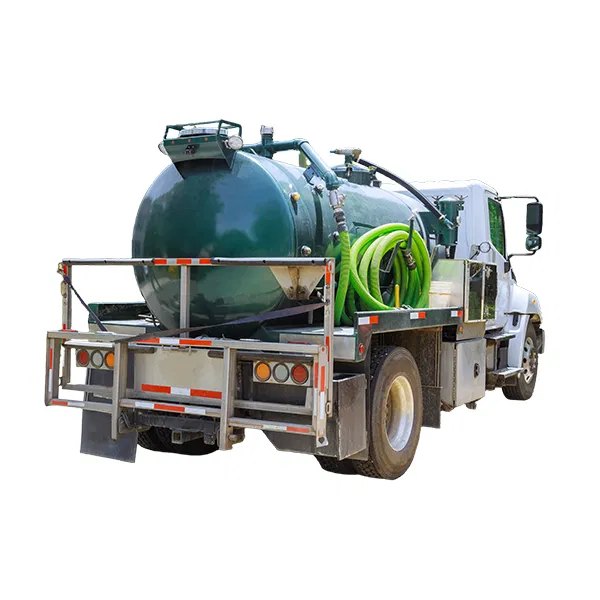
Grease Trap Cleaning Pomona CA vacuum pump truck with suction hose ready for a kitchen grease trap pump-out

Grease layer close to the outlet tee? A dispatcher can help right now.

Call (424) 573-8021

Grease Trap Cleaning Pomona CA under the city's Sewer Pipe Blockage Control Program

The city runs its own grease rules. The Water Resources Department's Sewer Pipe Blockage Control Program covers food service establishments that discharge to the roughly 317 miles of city gravity sewer maintained by the Wastewater Operations Division. Municipal Code Sec. 62-471 prohibits discharging fats, oils and grease in amounts that can obstruct sewer flow. The program exists because the State Water Board's sanitary sewer systems order requires sewer owners to control FOG as part of their sewer system management plan.

Interceptors do not get a fixed calendar in Pomona. They are due when floating grease plus settled solids reach 25 percent of total depth, and the program also treats a grease layer over 6 inches or a solids layer over 8 inches as out of compliance. Smaller grease traps are to be cleaned as needed, per the manufacturer, and at least weekly. Interceptor waste must leave with a licensed waste hauler, at the business's expense, which is where routine grease interceptor pumping comes in.

New restaurants pass through Planning, Building and Safety, Public Works and Water Resources review, and every food service establishment completes an Environmental Questionnaire and pays an annual environmental fee with its business license renewal. Larger industrial dischargers also need an industrial wastewater discharge permit, issued jointly by the city and the Los Angeles County Sanitation Districts. Health permits come from the Los Angeles County Department of Public Health.

Cleaning and inspection records must stay on site for at least two years. City staff make unscheduled annual inspections, often paired with stormwater checks, and return until problems are fixed. Every grease trap cleaning we complete ends with a manifest ready for that binder.

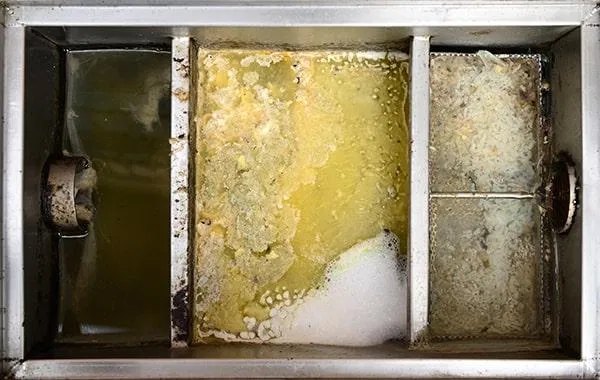
Stainless grease trap with baffles and compartments in a Pomona restaurant kitchen

Pump-out coming due? A single call puts you on the route.

Call (424) 573-8021

Pomona grease trap demand across neighborhoods and menus

Holt Avenue is the city's long restaurant spine: taquerias, birrierias, mariscos counters, pupuserias, panaderias and Chinese and Vietnamese takeout. Birria consommé carries a thick layer of rendered beef fat, carnitas cooks drain lard, and menudo pots go into dish sinks loaded with tallow. These kitchens build grease quickly and often need short pump-out intervals.

Garey Avenue runs from the Pomona Valley Hospital Medical Center area through downtown and south toward the 60 freeway, mixing fast food, burger stands, Mexican seafood and family diners. Mission Boulevard adds older strip centers where one interceptor may serve a doughnut shop, a pizzeria and a taqueria together.

The Downtown Pomona Arts Colony, along Second Street and around the Fox Theater and The Glass House, is packed with bars, gastropubs, coffee houses and late-night food. Weekend concert crowds mean fryers and flat-tops run past midnight. Western University of Health Sciences, a few blocks away, adds cafes and lunch counters serving students and staff.

North Pomona and Phillips Ranch carry neighborhood pizza, sushi and Chinese restaurants in shopping centers, while the industrial area south of Mission handles food processors, caterers and commissary kitchens that can push hundreds of gallons of greasy wash water a day.
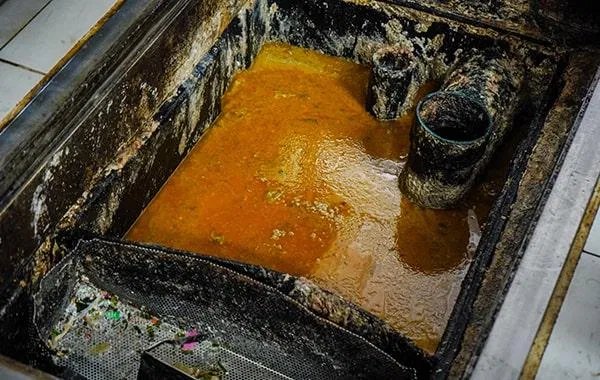
Open grease trap with orange grease and pipes at a Pomona taqueria

Floor sink backing up mid-service? Trucks roll day and night.

Call (424) 573-8021

Fair season, campus calendars and heat for a Pomona grease trap

Fairplex is the biggest single driver of grease volume in Pomona. During the LA County Fair, concessionaires fry turkey legs, funnel cakes, churros and bacon-wrapped everything for weeks, and the hotel, banquet halls and event kitchens on the grounds stay busy year-round with trade shows, swap meets and concerts. We schedule pumping before opening and right after closing weekends so interceptors start each event empty.

Cal Poly Pomona runs dining commons, food court counters and conference catering that swing with the academic calendar. Kitchens that sat quiet over summer can surge in the first weeks of fall quarter, and an interceptor left half-full in June can turn septic by September. Pomona Valley Hospital Medical Center's cafeteria and patient kitchen run all day, so service windows have to be planned carefully.

The valley regularly runs past 100 degrees in summer, and Santa Ana winds bring dry heat in fall. Warm wastewater keeps grease emulsified longer, and downtown's older buildings often have alley-only access and shared lines. In those spots we recommend full grease interceptor cleaning with a scrape, not just a quick pump.

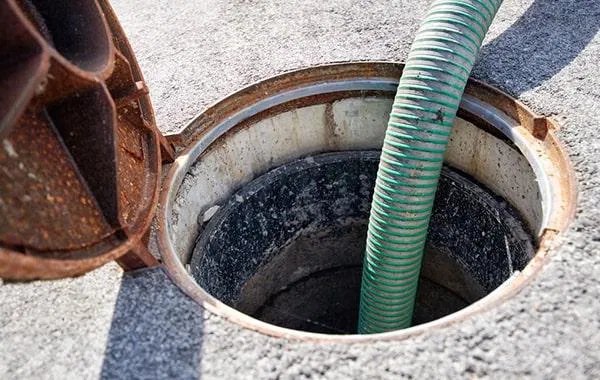
Manhole grease interceptor with green suction hose being serviced at a Pomona event venue

FOG inspection on the calendar? Book the pump-out before it.

Call (424) 573-8021

What happens during a Pomona grease trap service visit

We measure first, because the city's 25 percent rule and its 6-inch and 8-inch layer limits are what an inspector will check. Then the crew pumps, scrapes and inspects, and we leave notes on anything that looks like trouble before your next unscheduled inspection.

Ask us to set your next grease trap cleaning date before we leave, timed to your measured buildup and your busy season.

  • Measure grease and solids layers before pumping
  • Pump every compartment and scrape walls and baffles
  • Check tees, lids and the sample box or outlet
  • Haul waste with a licensed liquid waste hauler
  • Hand over a manifest for your two-year records
  • Flag BMP issues such as missing drain screens

Prefer service after closing? Overnight crews are standard.

Call (424) 573-8021

Grease Trap Pumping in Pomona, CA

The city's program expects small grease traps to be cleaned at least weekly or per the manufacturer, which is a lot for a busy taqueria or panaderia crew. We pump under-sink and floor traps on a recurring schedule, scrape off hardened lard and shortening, reseat the lid, and leave a manifest, so your staff can focus on cooking and your records stay current.

How grease trap pumping works →

Grease Interceptor Cleaning in Pomona, CA

For in-ground interceptors behind Holt Avenue and Mission Boulevard strip centers, we pump, scrape walls and baffles, break up compacted solids, and inspect inlet and outlet tees. Removing the full layer of hardened grease is what keeps an interceptor under the 6-inch grease and 8-inch solids limits between visits and keeps its removal efficiency up.

How interceptor cleaning works →

Grease Interceptor Pumping in Pomona, CA

Large interceptors at Fairplex, Cal Poly Pomona dining facilities, hospitals, hotels and commissary kitchens need a vacuum truck sized to the tank. We measure against the 25 percent rule, remove the full volume, record gallons and hauler details on the manifest, and time visits around fair dates, concerts, academic terms and meal service.

How interceptor pumping works →

Want a complete evacuation and a signed manifest? Give us a call.

Call (424) 573-8021

Pomona grease trap service area

We serve all of Pomona, including the Downtown Arts Colony and Second Street, Fairplex and the north Pomona neighborhoods around Pomona Valley Hospital, the Holt Avenue, Garey Avenue and Mission Boulevard corridors, Phillips Ranch, the Cal Poly Pomona area, and the industrial district south of Mission. Early-morning and after-close windows fit restaurants and event venues alike.

Unsure how big your interceptor is? A technician can talk it through.

Call (424) 573-8021

Grease Trap Cleaning Pomona CA: frequently asked questions

What is the difference between the small trap under my Holt Avenue taqueria sink and the interceptor out back?

An under-sink trap, or hydromechanical interceptor, holds a few dozen gallons and uses baffles plus flow control to separate grease quickly. An in-ground gravity interceptor holds hundreds or thousands of gallons and relies on retention time. The city's program treats them differently: small traps get cleaned at least weekly or per manufacturer, while interceptors are pumped by the 25 percent rule.

Why does our Arts Colony bar smell like sewage on hot weekend nights?

Grease and food solids sitting in a trap turn septic and release hydrogen sulfide, and summer heat speeds that up. Older downtown buildings also have dried-out floor drain traps and tired vent piping. A full pump and scrape removes the source, then refill floor drains with water and have a plumber check vents if the odor returns.

Will the city ever take a sample from my grease interceptor or sample box?

Sampling is mostly used for permitted industrial dischargers, which LACSD and the city regulate jointly. The city's program, however, judges interceptors partly on removal efficiency, so a badly performing unit or a restaurant tied to repeat blockages may draw closer scrutiny. Keeping the outlet tee intact and the sample box clear makes any sample representative.

What happens when a Pomona crew traces a sewer blockage back to my kitchen under Sec. 62-471?

It prohibits discharging solid or viscous material, including fats, oils and grease, in amounts that could obstruct sewer flow. If a city crew clears a grease blockage on your street and traces it to your connection, this section is the basis for enforcement. A maintained interceptor and good BMPs are your defense.

What is the Environmental Questionnaire on my Pomona business license renewal?

The city asks food service establishments to complete an Environmental Questionnaire and pay an annual environmental fee when the business license renews. The answers tell the Water Resources Department what grease control equipment you have and how it is maintained, and they help schedule the annual unscheduled inspection. Have your device size and latest manifest handy when filling it out.

Can concession stands at Fairplex during the LA County Fair use a shared interceptor?

Many fair vendors drain to shared interceptors or collection systems on the grounds, and Fairplex manages how those are serviced. Heavy frying for weeks fills them fast. If you operate a permanent kitchen, banquet space or restaurant at Fairplex, plan pumping before opening day and after each heavy weekend instead of waiting for the end of the run.

Our Cal Poly Pomona area cafe is quiet in summer; can we skip a pump-out?

Low flow does not stop grease from going septic. A half-full trap left through a quiet summer can produce strong odors and corrode concrete or steel. It is better to pump before the break and again just before fall classes begin, when student traffic returns and the device needs full capacity.

Why does Pomona limit dishwasher and sink water to 140 degrees through grease devices?

The city's BMPs say not to run water hotter than 140 degrees through grease controls, because very hot water melts fat and carries it past the baffles into the sewer, where it cools and sticks. Route high-temperature dish machines correctly and let pots cool before washing so grease separates where it should.

What does the Sewer Pipe Blockage Control Program expect Pomona kitchens to keep on file?

The city's program requires cleaning and inspection records to be kept on site for at least two years and shown to city inspectors on request. Keep manifests, repair invoices, cooking oil recycling receipts and your BMP training log together. The training log matters too, because the program expects employee training at least twice a year.

Does wastewater from Pomona restaurants go to the Pomona Water Reclamation Plant?

Much of it does. LACSD's Pomona Water Reclamation Plant on Humane Way provides primary, secondary and tertiary treatment with a design capacity of about 15 million gallons per day. Grease that escapes your interceptor first threatens city sewers on the way there.

Who maintains the grease interceptor at a Mission Boulevard strip center with five restaurants?

Usually the property owner contracts the service and recovers costs through common area charges, but some leases put it on the largest kitchen. Inspectors can cite any connected tenant if the interceptor fails. Ask the landlord for recent manifests and request pumping before the grease layer approaches the 6-inch limit.

Does Pomona Valley Hospital Medical Center's kitchen schedule differ from a restaurant's?

Hospital kitchens prepare patient trays, cafeteria meals and staff food from early morning to late evening, so no hour is truly idle. Service is planned around quieter windows and coordinated with facilities staff so trucks do not block ambulance or delivery routes. The interceptor is usually larger and pumped on a fixed recurring schedule.

Truck, crew and manifest, all arranged in one phone call.

Call (424) 573-8021

Grease trap service in cities around Pomona

We also serve restaurants and facilities in the nearby Pomona Valley and San Gabriel Valley cities listed below.

Sinks draining slowly at the dish station? Call before it overflows.

Call (424) 573-8021
Call now