24/7 grease trap & interceptor service

Grease Trap Cleaning Glendale CA

Our crews handle grease trap cleaning Glendale CA kitchens depend on, from kebab grills on Brand Boulevard to bakeries and cafes along Honolulu Avenue in Montrose. We pump every chamber, measure what was in it, and leave the paperwork your Public Works inspector expects to see. Call us to set up a visit or a standing schedule.

Call (424) 573-8021Dispatch answers day and night
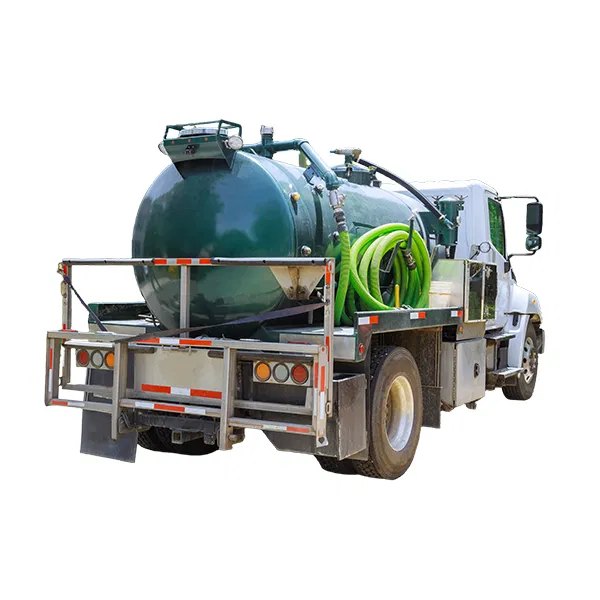
Grease Trap Cleaning Glendale CA vacuum pump truck with suction hose ready for a kitchen grease trap pump-out

Grease layer close to the outlet tee? A dispatcher can help right now.

Call (424) 573-8021

Grease Trap Cleaning Glendale CA under Municipal Code Chapter 13.34

Glendale runs its own fats, oils and grease program instead of leaving it to a county agency. The Public Works Wastewater section administers Glendale Municipal Code Chapter 13.34, looks after more than 361 miles of sewer lines, and requires every food service establishment to hold an Industrial Waste Permit covering what it sends through its grease control device. Inspectors aim to reach each kitchen at least once every 18 months and review maintenance records on site.

The pump-out standard in section 13.34.050 is strict. A grease interceptor must be fully pumped out and cleaned before combined grease and solids reach 25 percent of its hydraulic capacity, measured by volume or depth, whichever is tighter. The minimum is once every six months, the default is quarterly when no frequency has been set, and the director can shorten the interval. Proper grease interceptor pumping means the entire contents leave the tank, not just the floating cap.

Each operator also keeps a written FOG control program of BMPs on file with the director, plus pump-out records showing dates, volumes and disposal method, available for review at the business. A new restaurant, a sale or transfer, a remodel with a building permit of $50,000 or more, or a sewer blockage traced to the site can each trigger an interceptor requirement.

Sewage from much of the city flows toward the Los Angeles-Glendale Water Reclamation Plant beside the LA River, which Glendale co-owns with Los Angeles, and the State Water Board's statewide sanitary sewer systems order expects the city to keep grease out of those lines.
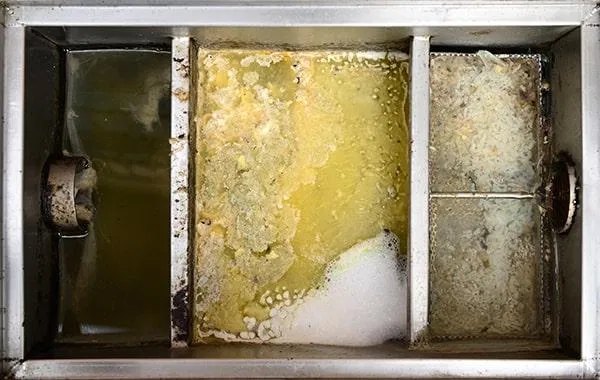
Stainless grease trap with baffles and compartments in a Glendale restaurant kitchen

Pump-out coming due? A single call puts you on the route.

Call (424) 573-8021

Glendale grease trap demand from Brand Boulevard to Montrose

Brand Boulevard is the busiest grease corridor in town. The Americana at Brand and the Glendale Galleria pack steakhouses, food court counters and chain kitchens into a few blocks, and the independent spots between them serve shawarma, Persian rice plates and Korean fried chicken late into the night. Fryer oil and rendered meat fat arrive in volume, and a missed visit shows up fast.

The Armenian community shapes local menus more than anywhere else in the region. Charcoal grills turn out lule kebab and khorovats, and the lamb and pork fat that drips from those skewers rides into the sink every time grates are scrubbed. Bakeries producing lahmajun, piroshki and buttery gata add shortening and egg wash, a mix that sets hard in a cool trap overnight.

North of the 134, Montrose Shopping Park on Honolulu Avenue holds brunch cafes, pizza ovens and dessert shops in older storefronts with small under-sink units. Down San Fernando Road and around the Larry Zarian Transportation Center, taquerias, banquet halls and commissary kitchens run high-volume fryers over large in-ground interceptors. Each loads a device differently, so we set intervals kitchen by kitchen.

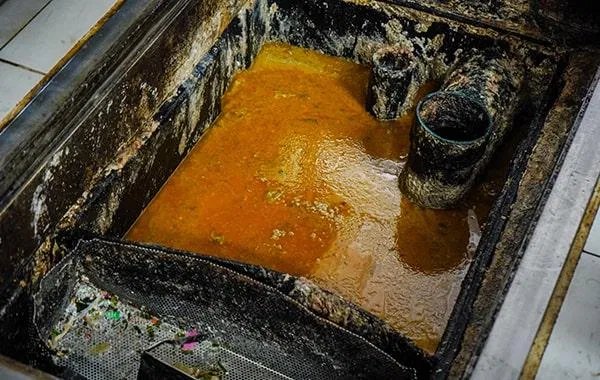
Open grease trap showing an orange grease layer and pipes at a Glendale Armenian grill

Floor sink backing up mid-service? Trucks roll day and night.

Call (424) 573-8021

Glendale grease trap service around hospitals, heat and hillside lots

Adventist Health Glendale and Glendale Memorial Hospital run cafeterias, patient tray lines and coffee bars around the clock, so there is no quiet window for a pump-out. We schedule early-morning visits, work with facilities staff on loading-dock access and keep hoses clear of ambulance lanes. USC Verdugo Hills Hospital and Glendale Community College have similar dining operations on tighter hillside sites.

Summers here run hotter than the coast, and the valley can hold triple-digit afternoons for days. Warm wastewater keeps grease liquid longer, so it can slip past baffles and congeal farther down the lateral. Water-saving fixtures cut flow through the device, letting solids climb toward the 25 percent line faster than owners expect.

Many older buildings downtown and along Colorado Street sit on aging clay laterals, with interceptors under rear parking stalls or alleys shared with neighbors. On tight lots we plan truck placement in advance and keep drive aisles open while the hose is down. When red-flag fire weather closes roads near the Verdugo Mountains, we reschedule promptly rather than let a service slip.

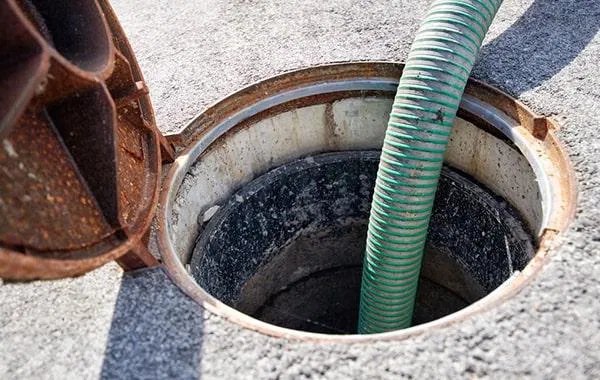
Manhole grease interceptor with a green suction hose behind a Glendale shopping center

FOG inspection on the calendar? Book the pump-out before it.

Call (424) 573-8021

What a Glendale grease trap visit includes

Each visit is built around what a Public Works inspector will ask to see. We record the depth of grease and solids before pumping so you know how close you were to the limit, then empty every compartment to the bottom.

For under-counter units the visit also covers grease trap cleaning of the strainer basket and flow restrictor. File the manifest with your FOG control program binder so it is ready at the next inspection.

  • Measure grease and solids against the 25 percent capacity limit
  • Full pump-out of every chamber, not just the grease cap
  • Scrape baffles, tees and walls, then confirm inlet and outlet flow
  • Check lids, gaskets and sample ports for damage
  • Signed manifest with gallons removed and the receiving facility
  • An interval recommendation that fits your permit and menu

Prefer service after closing? Overnight crews are standard.

Call (424) 573-8021

Grease Trap Pumping in Glendale, CA

Under-sink and floor traps fill quickly at kebab houses and bakeries where lamb fat and shortening pour off sheet pans. We pump the unit dry, scrape the baffles, clean the strainer and leave a dated record that matches the pump-out log Public Works reviews under Chapter 13.34. Small Montrose cafes often run monthly, while busy grills may need service every two weeks.

How grease trap pumping works →

Grease Interceptor Cleaning in Glendale, CA

In-ground gravity interceptors behind Brand Boulevard restaurants and in the service corridors of the Galleria and the Americana build a hard grease cap and packed solids that suction alone can leave behind. Our crews scrape walls and baffles, clear inlet and outlet tees and confirm the outlet runs clean, so the device keeps working between visits and inspections go smoothly.

How interceptor cleaning works →

Grease Interceptor Pumping in Glendale, CA

City code calls for a full pump-out before grease and solids reach a quarter of capacity, and never less often than twice a year. We bring vacuum trucks sized for large in-ground interceptors, measure the layers first, remove the entire contents and hand over a manifest listing gallons hauled and the licensed receiving facility for your Glendale records.

How interceptor pumping works →

Want a complete evacuation and a signed manifest? Give us a call.

Call (424) 573-8021

Our Glendale grease trap service area

We cover the whole city, from downtown and the Brand corridor to Adams Hill, Kenneth Village, Verdugo Woodlands, Montrose and the industrial blocks along San Fernando Road. Kitchens in nearby La Crescenta and Atwater Village ride the same routes.

Unsure how big your interceptor is? A technician can talk it through.

Call (424) 573-8021

Grease Trap Cleaning Glendale CA: frequently asked questions

Can we use an enzyme or bacteria product instead of pumping under GMC 13.34?

Not as a substitute. Chapter 13.34.030 lets a food service establishment use bacteria or similar additives only with written approval from the Director of Public Works, and even then the product cannot replace proper sizing or scheduled maintenance. Most additives just break grease into smaller droplets that re-form downstream, so we recommend relying on regular grease trap cleaning instead.

What does a Glendale Public Works FOG inspector look at during a site visit?

The city's inspectors review how you dispose of grease, your used cooking oil records and your interceptor maintenance log, then check general housekeeping and walk the kitchen looking for improper discharges such as mop water poured outside. The form is signed by you and the inspector. Having recent manifests in one binder makes that review short.

Can you keep our Glendale kitchen on an automatic grease trap cleaning schedule?

Yes. Once we know your device size and how fast it fills, we set a recurring interval that stays inside the six-month minimum and your permit conditions, then call ahead before each visit. If your menu changes or a Brand Boulevard location gets busier during the holidays, we tighten the schedule so you never drift past the limit.

Is the Glendale Industrial Waste Permit separate from our health permit?

Yes. Your health permit comes from the Los Angeles County Department of Public Health, which inspects food safety. The Industrial Waste Permit is issued through Glendale Public Works and covers what you discharge to the city sewer, including grease. Both are required, and FOG inspectors expect your pump-out records to line up with the permit.

Our Montrose cafe barely fills its trap. Does the six-month minimum still apply?

It does. Section 13.34.050 sets six months as the longest allowed gap between full pump-outs, even if the device stays well under 25 percent. A light-volume cafe on Honolulu Avenue might sit right at that interval, while a grill next door could need monthly service. We measure each time so the interval is backed by real numbers.

Does a $50,000 building permit for a Glendale kitchen upgrade bring an interceptor requirement with it?

It can. Chapter 13.34 requires an approved interceptor when an existing food service establishment remodels under a building permit valued at $50,000 or more. If an interceptor truly cannot fit, the code allows a written request for an equally effective alternative device. Talk to Public Works early so the design is settled before plan check.

Does scrubbing kebab skewers and grill grates every night change our interval?

Usually, yes. Charcoal grills common in Glendale Armenian restaurants shed rendered lamb and pork fat that rinses straight into the pot sink. That fat floats and hardens quickly, so these kitchens often fill a trap two or three times faster than a cafe of the same size. Scraping grates into a bin first helps a lot.

How do you coordinate service at the Glendale Galleria or The Americana at Brand?

Mall kitchens usually route service through property management and a loading dock with set hours. We confirm the dock window, parking for the truck and any badge or escort rules in advance, then work during low-traffic hours. After the visit we give both the tenant and management a copy of the manifest when asked.

Does Glendale summer heat really affect how a grease trap performs?

It does. Long stretches of triple-digit heat in the Verdugo valley warm the wastewater, so grease stays liquid and can pass the baffles before it separates. It then cools and sticks in the lateral or city main. During heat waves we suggest checking the grease layer more often and avoiding letting a device run close to its limit.

How is the Los Angeles-Glendale Water Reclamation Plant connected to my interceptor?

Wastewater from many Glendale kitchens travels through city sewers toward that plant on the LA River, which Glendale co-owns with Los Angeles and LA Sanitation operates. Grease that escapes your device can clog those lines long before it gets there, which is why the city enforces pump-outs and uses recycled water from the plant for parks and power.

Can a small Glendale bakery qualify for a waiver from installing a full interceptor?

Possibly. Chapter 13.34 lets the director grant a conditional waiver to an existing establishment with negligible grease discharge, and a variance for an alternative device when an interceptor is not feasible. A waiver becomes void if operations change significantly, so a bakery adding a fryer or a grill line should expect the question to be revisited.

Do you service hospital kitchens at Adventist Health Glendale and Glendale Memorial?

We work with large institutional kitchens like those, which run around the clock and cannot shut down for a pump-out. We schedule early in the morning, follow facility safety and access rules, keep hoses clear of emergency routes and give engineering staff a manifest they can file with their environmental records for the city.

Truck, crew and manifest, all arranged in one phone call.

Call (424) 573-8021

Grease trap service in cities near Glendale

Our crews also work in neighboring cities that run their own sewer rules and inspections. Pick a city below for local details.

Sinks draining slowly at the dish station? Call before it overflows.

Call (424) 573-8021
Call now