Grease Trap Cleaning Burbank CA and the city's pretreatment program
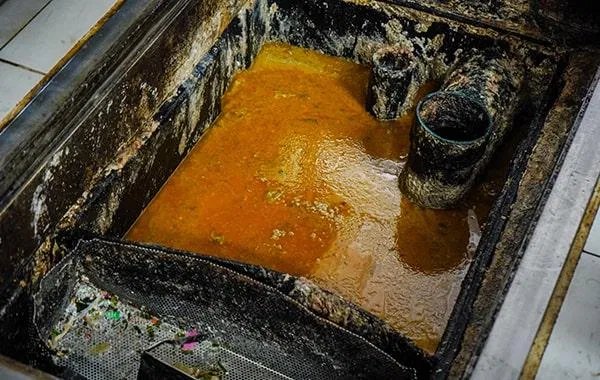
Burbank runs its own sewer system through the Public Works Water Reclamation and Sewer Division, which operates about 230 miles of sewer lines, two pump stations and the Burbank Water Reclamation Plant. Because the city treats its own wastewater, it takes fats, oils and grease (FOG) seriously. Public Works names FOG as a leading cause of blockages and overflows that can reach storm drains and, eventually, the coast.
Non-domestic dischargers, including food service establishments, fall under the city's industrial pretreatment program. Burbank Municipal Code Title 8, Chapter 1, Section 503 requires an Industrial Waste Discharge Permit or other control mechanism. Users are sorted into eight classifications that set permit and annual inspection fees, and the city has authorized its contract operator, Inframark, to run the program and inspect facilities that discharge to the sewer. Follow-up inspections after a violation carry extra charges.
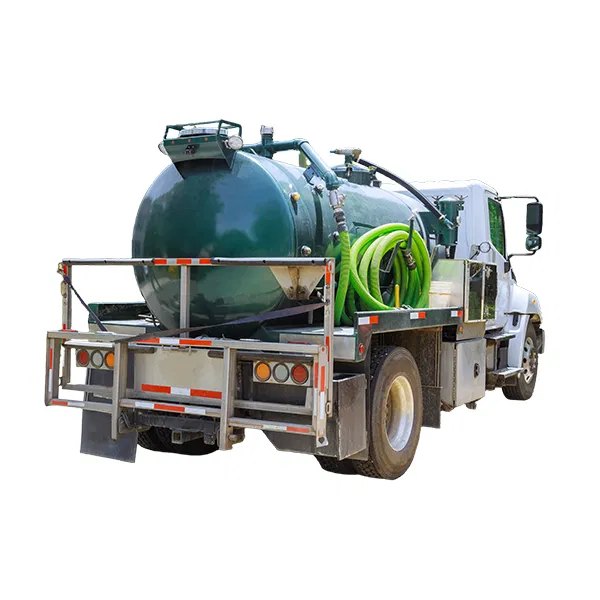
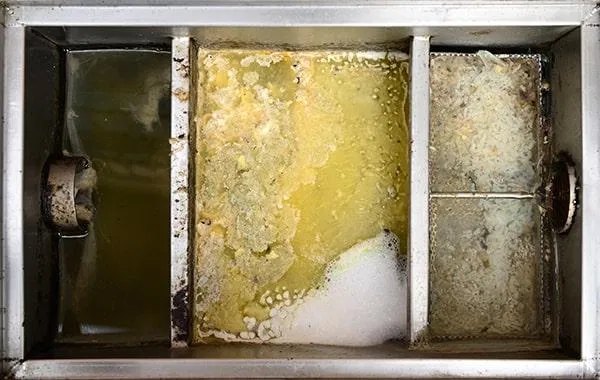
The city's guidance is practical: install a properly sized grease interceptor, service it as often as the manufacturer calls for, scrape plates into the trash, and use sink strainers. Public Works also warns that grease-dissolving additives can simply push grease farther down the line. The common industry benchmark is to pump before grease and solids take up about 25 percent of the device, and our grease trap pumping intervals are set around that point. Every load is manifested by a licensed liquid waste hauler, and we suggest keeping those manifests on site for at least three years.
The plant itself makes grease control matter more. Screened and settled solids are sent by sewer to the City of Los Angeles Hyperion plant, while treated water becomes recycled water for the Burbank Water and Power plant and the DeBell golf course. The State Water Board's statewide sanitary sewer systems order also expects agencies like Burbank to control FOG.